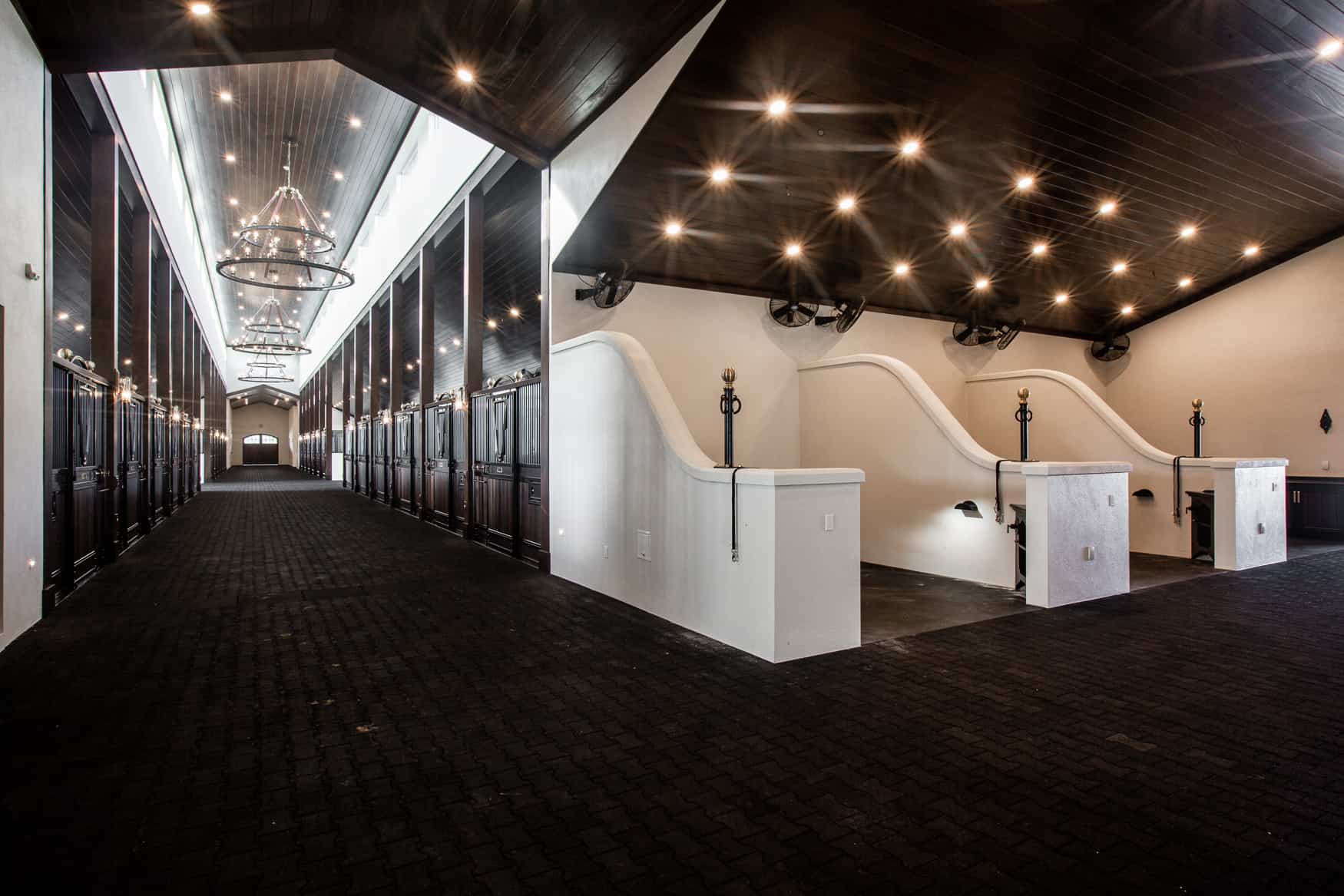
Before the First Shovel of Dirt: The Preconstruction Process
If asked to imagine the construction process, most people would picture the moment crews arrive on-site, and the first shovel of dirt its the ground. In reality, the groundbreaking is only the visible beginning of what is a much longer and more thoughtful process. Before construction ever starts, a carefully coordinated series of planning, design, engineering, and approval steps must be completed to ensure the project is functional, efficient, and built around the owners' needs.
At B&D Builders, we begin with an in-depth meeting between the client and the design team including architects, engineers, and our internal design team. During this early collaboration, clients share their goals for their project. We listen carefully to understand the practical needs, and the lifestyle and aesthetic vision they hope to achieve. The goal is always the same: to design and build the perfect structure that lasts for generations.
Let’s look at the preconstruction process.
1. Vision, Goals & Program Development
During the earliest stage of preconstruction, the goals for the facility must be clearly defined.
This includes practical considerations such as:
· What are the site characteristics?
· How will the facility be used?
· What are the timeline expectations?
· What is a realistic budget?
It also includes aesthetic decisions. When requested, we partner with interior designers and architects to wrap our minds around the overall aesthetic the client is looking to achieve. During this process, natural light, biophilia, comfort, design preference, and functional use are considered to achieve an optimal design that reflects the client’s vision for their project.
Our design team then translates these ideas into a detailed program, a comprehensive list of all the spaces, features, and systems the structure must include.
2. Site Evaluation & Master Planning
The next step is to understand the land itself.
During the site-evaluation process, landscape architects, designers and builders assess several critical factors:
· Topography — slopes, elevation changes, and grading requirements;
· Drainage patterns and water flow;
· Prevailing winds and weather exposure;
· Sun orientation and natural lighting;
· Access roads and traffic flow;
· Overall estate layout if there is going to be more than one structure.
These elements determine building location on the property. For example, placing a structure on slightly elevated ground can improve drainage and reduce moisture inside the facility. Proper orientation can also enhance ventilation and maximize natural light.
From this analysis, we create a master site plan that organizes the entire estate, including homes, barns, garages, recreational areas, driveways, pathways, and parking areas.
3. Budget Modeling & Cost Engineering
With an established vision and site plan, the project team develops a realistic project budget.
Projects involve a wide range of construction elements, including:
· Site preparation and excavation
· Foundations and structural systems
· Timber framing, or steel construction framing
· Mechanical systems and ventilation
· Finishing materials and architectural details
During this stage, we prepare detailed cost estimates that break the project into major categories. This helps clients understand how each component contributes to the overall investment.
Budget modeling allows the team to explore value-engineering opportunities. For example, a range of materials may be suggested that maintain the desired aesthetic while controlling expenses. The goal is to align the client’s vision with a realistic budget before construction begins, minimizing surprises later in the project.
4. Design Development & Architectural Planning
With the project scope and budget defined, the architect, engineer, landscape architect, and the rest of the design team begin transforming the concept into detailed building plans.
This design development stage addresses critical elements like:
· Structural framing systems
· Ventilation
· Drainage
· Lighting systems and electrical layouts
· Fire safety and emergency access
To help owners visualize the final facility, our design team creates advanced renderings or 3D models to allow clients to explore the project virtually before construction begins, making it easier to refine design details.
5. Permitting, Zoning & Environmental Approval
Before construction can begin, all local regulatory requirements must be met.
Projects often require multiple approvals, including:
· Zoning compliance
· Building, mechanical, electrical, plumbing, and sprinkler permits
· Stormwater management plans
· Erosion and sediment control plans
· Environmental impact reviews
Depending on the location, these approvals may involve local municipalities, conservation districts, or state environmental agencies. The permitting process can take several months, so it’s important to begin this phase early in the project timeline.
6. Procurement & Construction Scheduling
While permits are being processed, we begin preparing for construction. This phase involves coordinating materials, suppliers, and subcontractors. Many components are custom fabricated and require long lead times.
Examples of long-lead items include:
· Timber frame components
· Custom doors
· Specialty lighting systems
· Custom hardware and architectural features
B&D develops a detailed construction schedule to ensure all these elements arrive at the appropriate time. This careful scheduling helps the project move efficiently through its major phases:
1. Site preparation and earthwork
2. Foundation pouring
3. Structural framing
4. Roofing and exterior finishes
5. Interior installation and finishes
Through careful organization and scheduling early on, delays can be avoided, and the project has a better chance of progressing consistently.
7. Final Preconstruction Coordination
As a final step in the preconstruction process, we hold a coordination meeting for the entire project team. Participants usually include:
· The client
· Architects and engineers
· Key subcontractors or consultants
· Interior designers
During this meeting, the team confirms all critical details, including:
· Final project budget
· Construction timeline
· Material selections
· Site logistics and staging areas
· Communication protocols during construction
This step ensures that everyone involved shares the same understanding of the project before work begins on-site.
Once these details are finalized, the project is ready to move into the construction phase, where the months of planning finally begin to take physical form.
Effective Planning Is the Foundation of a Great Project
From its earliest stages, a construction project must be a carefully orchestrated process to create a safe, efficient, and beautiful environment. This preconstruction process makes it easier to plan effectively and avoid costly surprises and unexpected delays along the way.
If you’re beginning to explore building a project with us the first step is simply starting the conversation. Contact the B&D Builders team, and we’ll guide you through the steps to ensure your vision becomes reality.